The national average water heater lifespan of 8-12 years for a tank unit applies to the national average water hardness - which is softer than what most North Texas homeowners have coming out of their taps.
What Hard Water Actually Means
Water hardness is measured in grains per gallon (GPG) or milligrams per liter. The US Geological Survey classifies anything above 7 GPG as hard and above 10.5 GPG as very hard. The North Texas Municipal Water District, which serves McKinney, Allen, Plano, Frisco, and most of Collin County, delivers water at 14-18 GPG depending on seasonal blending ratios.
At that hardness level, scale deposits build up on tank water heater heating elements and inside tankless heat exchangers faster than the manufacturers’ maintenance schedules assume. Most water heater manuals are written for 7-10 GPG water. At 17 GPG, you are running the same appliance roughly twice as hard in terms of mineral accumulation.
What Hard Water Does to Your Water Heater
Anode rod depletion: The sacrificial anode rod inside your tank water heater is designed to corrode instead of the tank. In 10 GPG water, this rod typically lasts 5-6 years before needing replacement. In 17 GPG water, we see rods depleted in 3-4 years. A depleted anode rod means the tank itself starts corroding - and once that process starts, a replacement is coming within 1-2 years.
Heating element scale: In electric tank heaters, hard water deposits mineral scale on the lower heating element. Scale is an insulator - a thick enough deposit makes the element work harder to heat the same amount of water, drives up energy consumption, and eventually causes the element to overheat and fail.
Sediment buildup: Calcium and magnesium settle at the bottom of tank heaters as a hard sediment layer. You can hear it as a popping or rumbling sound when the heater fires. This sediment reduces the effective tank capacity and insulates the burner on gas units, causing overheating at the bottom of the tank.
Tankless heat exchangers: Tankless units heat water on demand by passing it through a narrow heat exchanger. Scale deposits narrow those passages over time and reduce flow rate. In North Texas, we recommend annual descaling for tankless units - not every three years as some manufacturers suggest for softer water markets.
The Maintenance Adjustments for North Texas
If you own a tank water heater in Collin County or the broader DFW area:
- Anode rod inspection at year 3, not year 5. In 17 GPG water, many rods are depleted before year 4. A depleted rod is a small, inexpensive replacement that buys 3-4 more years of protection. A tank that corrodes through means replacing the entire unit.
- Annual flush. Flushing sediment from the bottom of the tank once a year slows scale accumulation on the heating element and adds 1-2 years to tank life on average.
- Anode rod type matters. In very hard water, magnesium anode rods deplete faster than aluminum-zinc rods. If your current rod is the OEM magnesium type, an aluminum-zinc rod lasts longer in Collin County conditions.
For tankless heater owners:
- Annual descaling, not triennial. The manufacturer’s 3-year interval assumes 10 GPG water. At 17 GPG, annual descaling keeps the heat exchanger clear.
- Inlet filter check. Inline filters on the cold water inlet to a tankless heater catch sediment before it reaches the heat exchanger. Check and rinse quarterly.
The Bottom Line on Lifespan
A properly maintained tank water heater in North Texas hard water conditions should last 9-11 years. Without maintenance - no anode rod replacements, no flushes - expect 7-8 years. The national average of 8-12 years overestimates what you’ll get in this market without proactive upkeep.
Not sure where your unit stands? Run through the six signs a water heater is near the end - it takes about a minute and tells you whether this is a maintenance conversation or a replacement one.
If your water heater is more than 8 years old and you do not know whether the anode rod has ever been replaced, a quick inspection is worth scheduling. We can assess the rod condition, flush the tank, and give you an honest read on how many years the unit likely has left - without recommending a replacement unless it is actually warranted.
FAQ
Frequently Asked Questions
More Plumbing Guides
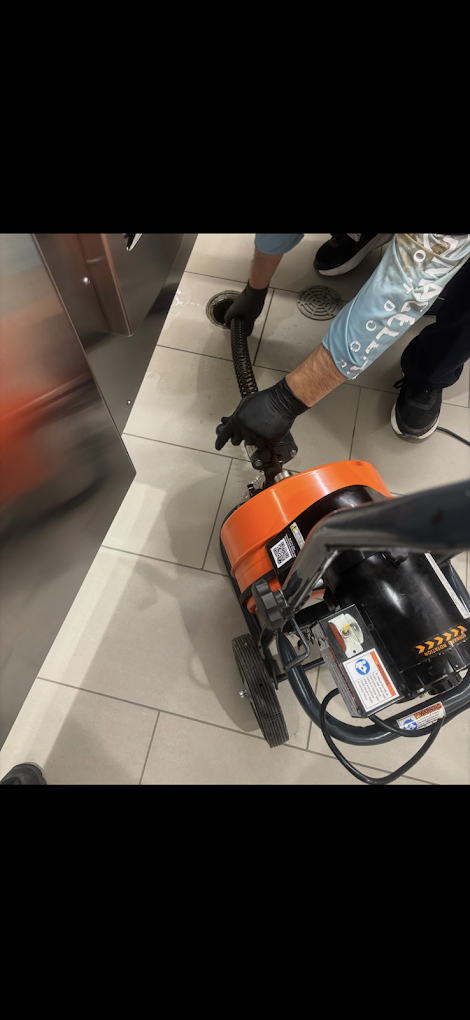
Why Does My Drain Keep Clogging? Common Causes and What to Do
A drain that clogs again right after you clear it usually means buildup is still on the pipe walls, the restriction is farther downstream, roots are in the sewer line, or the pipe itself is damaged. Here is how to tell which one you are dealing with — and when it is time to call a plumber.
Read article
Slab Leak Warning Signs: What North Texas Homeowners Miss
A slab leak is a supply line break beneath your concrete foundation. The signs are rarely a visible puddle - they are a water bill that does not match your usage, a floor that is warm underfoot, and pipes that sound like they are running when every faucet is off. Here is how to catch one early.
Read articleSchedule a Visit
We respond within 2 hours during business hours
Thanks! We'll be in touch within 2 hours during business hours.
Something went wrong. Please call 469-459-2500 directly.