Quick answer
A drain that clogs again right after you clear it usually means buildup is still on the pipe walls, the restriction is farther downstream, roots have re-entered the sewer line, or the pipe itself is damaged. Match your symptoms to the cause below — and schedule an inspection if several fixtures are affected or sewage backs up into your home.
A clogged drain is frustrating. A drain that keeps clogging after you clear it usually means there’s more to the problem.
If your kitchen sink, shower, or toilet repeatedly backs up, the goal is to find out why. Clearing a blockage can restore drainage, but buildup or damage inside the pipe may still need attention.
Here are some common reasons drains keep clogging — and how to recognize when it’s time for a closer look.
In this guide
| What you’re seeing | What it usually means |
|---|---|
| One fixture drains slowly, the rest are fine | The blockage is near that fixture |
| Several drains slow down at once, or a toilet bubbles when another fixture drains | The restriction is farther downstream in a shared drain or the main sewer line |
| The drain improves briefly, then gradually slows down again | Clearing opened a narrow path but buildup remains on the pipe walls |
| Sewer backups return after previous root removal | Roots re-entered through the opening in the pipe |
| Waste collects in the same spot repeatedly, even after clearing | A structural defect — damage, an offset connection, or standing water |
Buildup Is Still Inside the Pipe
Kitchen drains can collect grease, cooking oil, and food debris. Bathroom drains commonly collect hair, soap residue, and other buildup.
Sometimes, a basic drain-clearing attempt opens a narrow path through the blockage without removing everything along the pipe walls. Water starts flowing again, but the remaining buildup catches more debris, and the clog returns.
What to watch for: a drain that improves briefly, then gradually slows down again.
The right cleaning method depends on the pipe’s condition and what is causing the restriction.
The Problem Is Farther Down the Line
When only one fixture drains slowly, the blockage may be near that fixture. When several fixtures have problems at the same time, the restriction may be farther downstream in a shared drain or the main sewer line.
Warning signs include:
- A toilet bubbling when another fixture drains.
- Water backing up into a shower or tub when you run the washing machine.
- Several drains slowing down at once.
- Recurring backups at the lowest fixtures in the home.
These symptoms deserve attention because clearing one sink may not address the actual problem.
Tree Roots Have Entered the Sewer Line
Roots can enter sewer pipes through cracks, damaged joints, or other openings. Once inside, they can catch waste and grow into a larger obstruction.
Removing roots may restore flow, but an opening in the pipe can allow them to return. That’s why recurring root problems may require both cleaning and an evaluation of the pipe itself.
What to watch for: sewer backups that return after previous root removal.
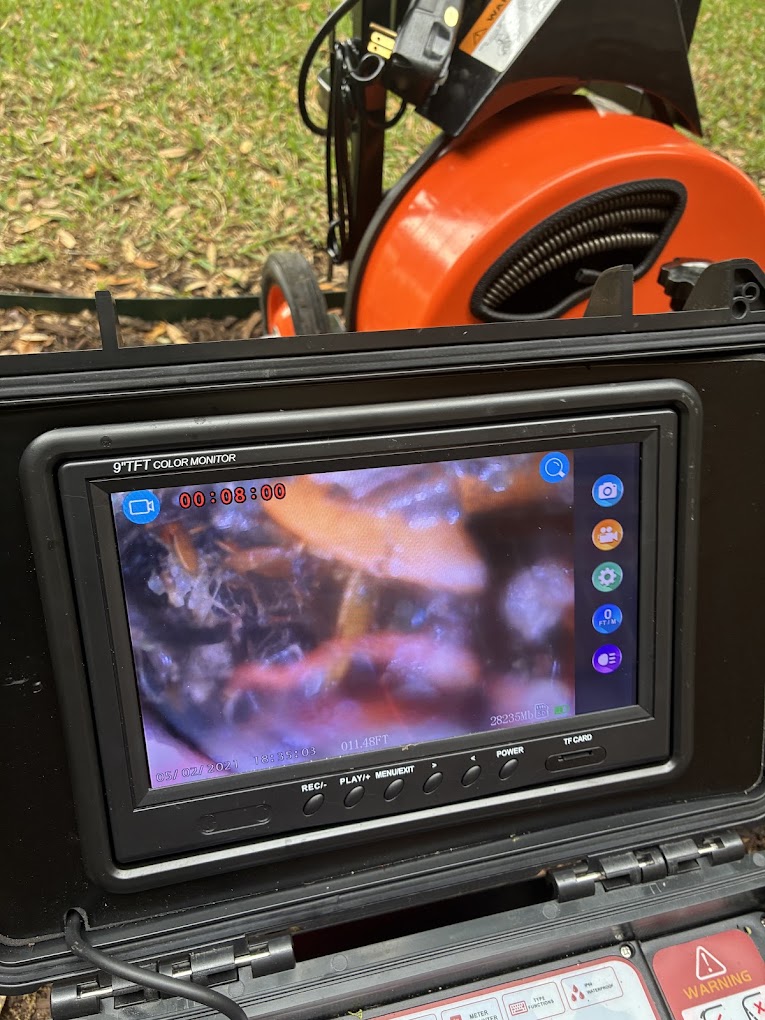
A sewer camera inspection can help identify root intrusion and show the condition of the affected section.
The Pipe Has a Structural Problem
Not every recurring clog comes from something you put down the drain.
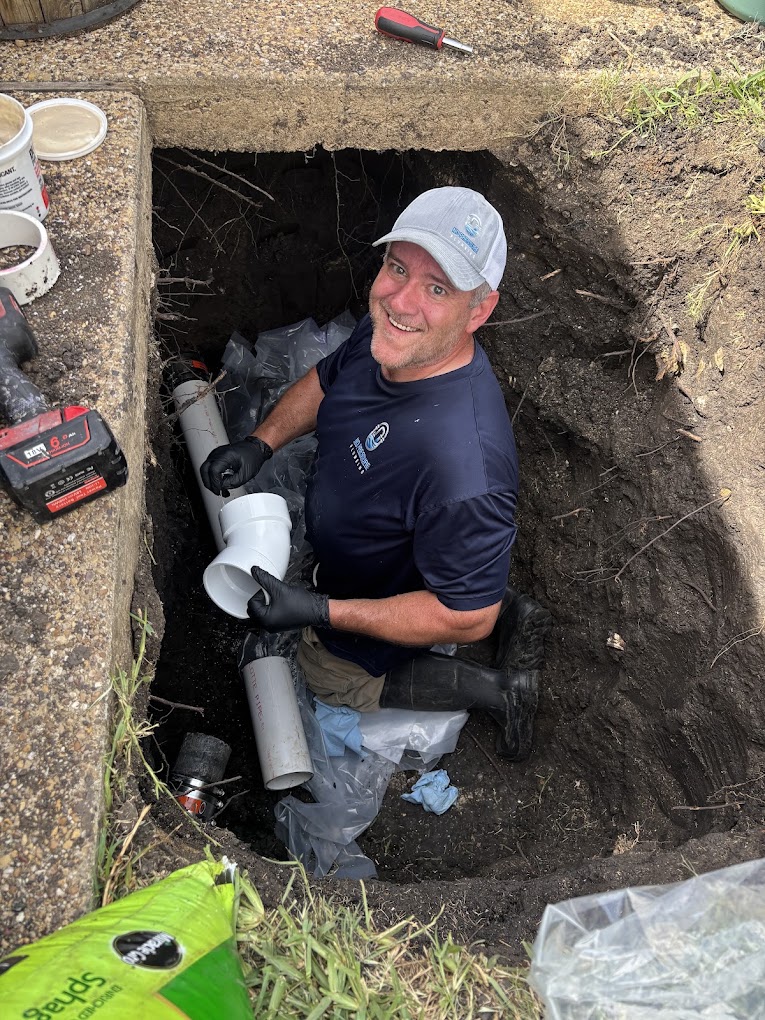
A damaged pipe, offset connection, or section that holds standing water can interfere with drainage. Waste may collect in the same location repeatedly, even after the line has been cleared.
Cleaning can remove an obstruction, but it cannot correct a broken pipe or improper slope. Identifying the cause helps determine whether cleaning, repair, or replacement makes sense.
Habits Can Contribute to Repeat Clogs
A few everyday changes can help reduce drain problems:
- Put grease and cooking oil in the trash after they cool.
- Use a hair catcher in tubs and showers.
- Keep wipes out of the toilet, including those labeled “flushable.”
- Scrape food scraps into the trash before rinsing dishes.
- Avoid treating the garbage disposal like a trash can.
These habits help protect your plumbing, although they won’t fix an existing defect.
When Should You Call a Plumber?
Schedule an inspection if the same drain keeps clogging, several fixtures are affected, or wastewater backs up into your home. If sewage is backing up, stop using plumbing fixtures until the problem is assessed.
Tell your plumber which fixtures are affected, how often the problem returns, and what has already been tried. That information helps guide the diagnosis.
At No Pressure Plumbing, we help homeowners understand what’s causing their drain problems and explain the available solutions before work begins.
FAQ
Frequently Asked Questions
More Plumbing Guides

Slab Leak Warning Signs: What North Texas Homeowners Miss
A slab leak is a supply line break beneath your concrete foundation. The signs are rarely a visible puddle - they are a water bill that does not match your usage, a floor that is warm underfoot, and pipes that sound like they are running when every faucet is off. Here is how to catch one early.
Read article
Why North Texas Hard Water Kills Water Heaters Faster
Dallas-area water averages 14-18 grains per gallon of hardness. That level of mineral content depletes water heater anode rods in 3-4 years instead of 6, coats heating elements with scale, and shortens expected service life by 2-4 years. Here is what that means for your maintenance schedule.
Read articleSchedule a Visit
We respond within 2 hours during business hours
Thanks! We'll be in touch within 2 hours during business hours.
Something went wrong. Please call 469-459-2500 directly.